The first of Mary Coughlin’s one‑day workshops, Holding the Whole: Translating Science into Healing Practice –Exploring the Science, Soul and Skills of Trauma-informed Developmental Care took place in Cork.
Delivered in collaboration with Mary O’Connor, Director of Midwifery Education at Cork University Maternity Hospital (CUMH), the training was offered to multidisciplinary teams across Cork, Kerry, Waterford and Tipperary. The workshop attracted 31 participants from a wide range of disciplines working in neonatal intensive care and community‑based family support roles.
The day was an immersive, interactive workshop that bridged cutting-edge neuroscience with the everyday realities of NICU care. Drawing on emerging evidence about how early experiences shape the brain and lifelong health, the workshop explored the profound role of clinicians as both caregivers and co-authors of resilience.
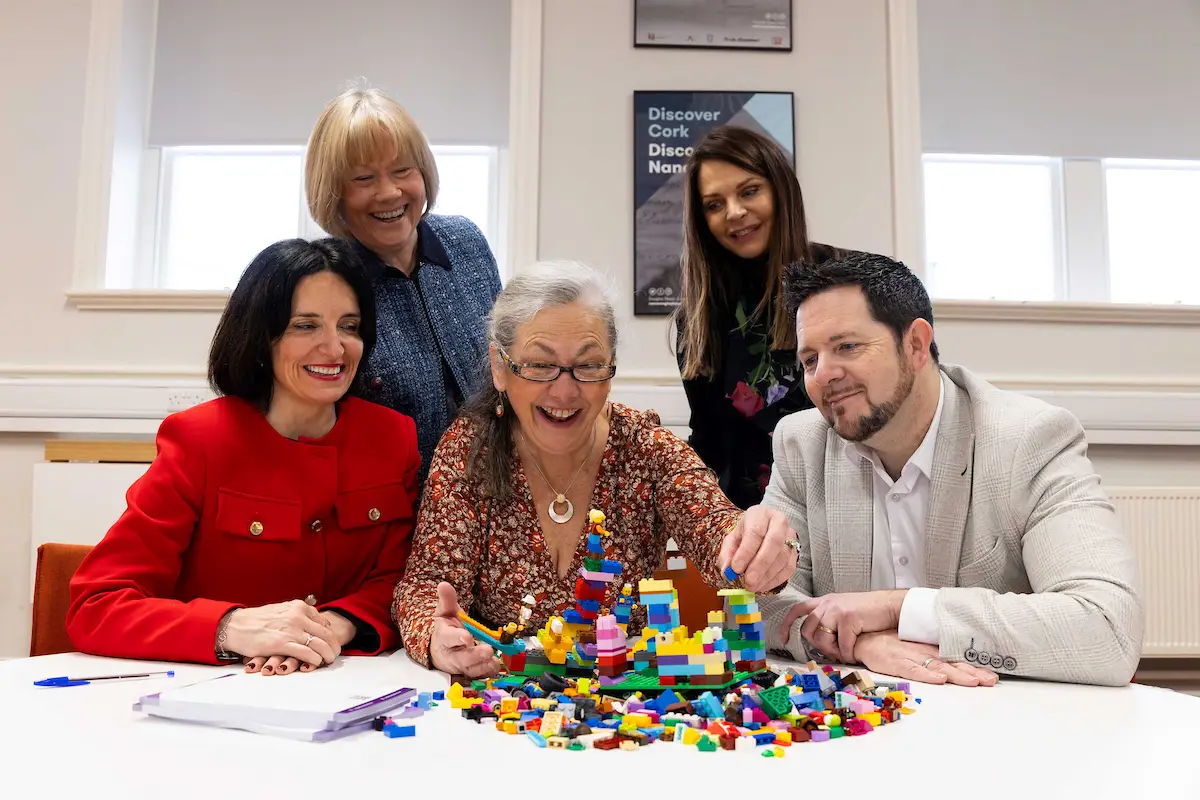
Through a blend of engaging science, reflective discussion, and hands-on creative exercises—including Lego Serious Play—participants had the opportunity to deepen their understanding of Trauma-Informed Developmental Care (TIDC) and the B.U.F.F.E.R. framework as practical tools for fostering healing and growth.
The morning session laid the foundation with compelling data on how socio-environmental factors influence brain development and long-term outcomes for preterm infants.
In the afternoon, participants collaborated in small groups to reimagine care through real-world NICU scenarios, creatively exploring barriers and breakthroughs to implement TIDC Core Measures and Principles in practice.
The intention was that participants would leave with a renewed sense of presence, actionable strategies to enhance developmental care, and a shared vision for building resilience—brick by brick—for infants, families, and care teams alike.
Feedback suggests that these were largely achieved and explicitly highlights themes that sit at the core of Trauma‑Informed Developmental Care (TIDC), including:
- Heightened awareness of lived experience and impact of care: feedback referenced “acknowledg[ing] infants’ experiences of the world more closely and how care affects them into later lives,” which directly reflects a deeper conceptual understanding of trauma and neurodevelopment
- Relational presence over task‑based care: the statement “It is great to be human and often more important than clinical skill and tasks” indicates a shift towards valuing presence, attunement and relational safety—key trauma‑informed principles.
- Meeting families where they are: this phrase appears both in thematic feedback and verbatim quotes, aligning with trauma‑informed approaches that emphasise collaboration, respect, and responsiveness rather than prescriptive care.
- Recognition of environment, communication, and self‑care: feedback noted the importance of psychological safety, bearing witness, and clinician self‑care, all of which suggest an expanded understanding of trauma as systemic and relational, not only infant‑focused.
The feedback does more than express satisfaction; it reflects conceptual integration of trauma‑informed principles into how participants think about infants, families, and themselves as caregivers. This strongly supports the conclusion that the workshop achieved its intention of deepening understanding of trauma‑informed developmental care, not just introducing it.
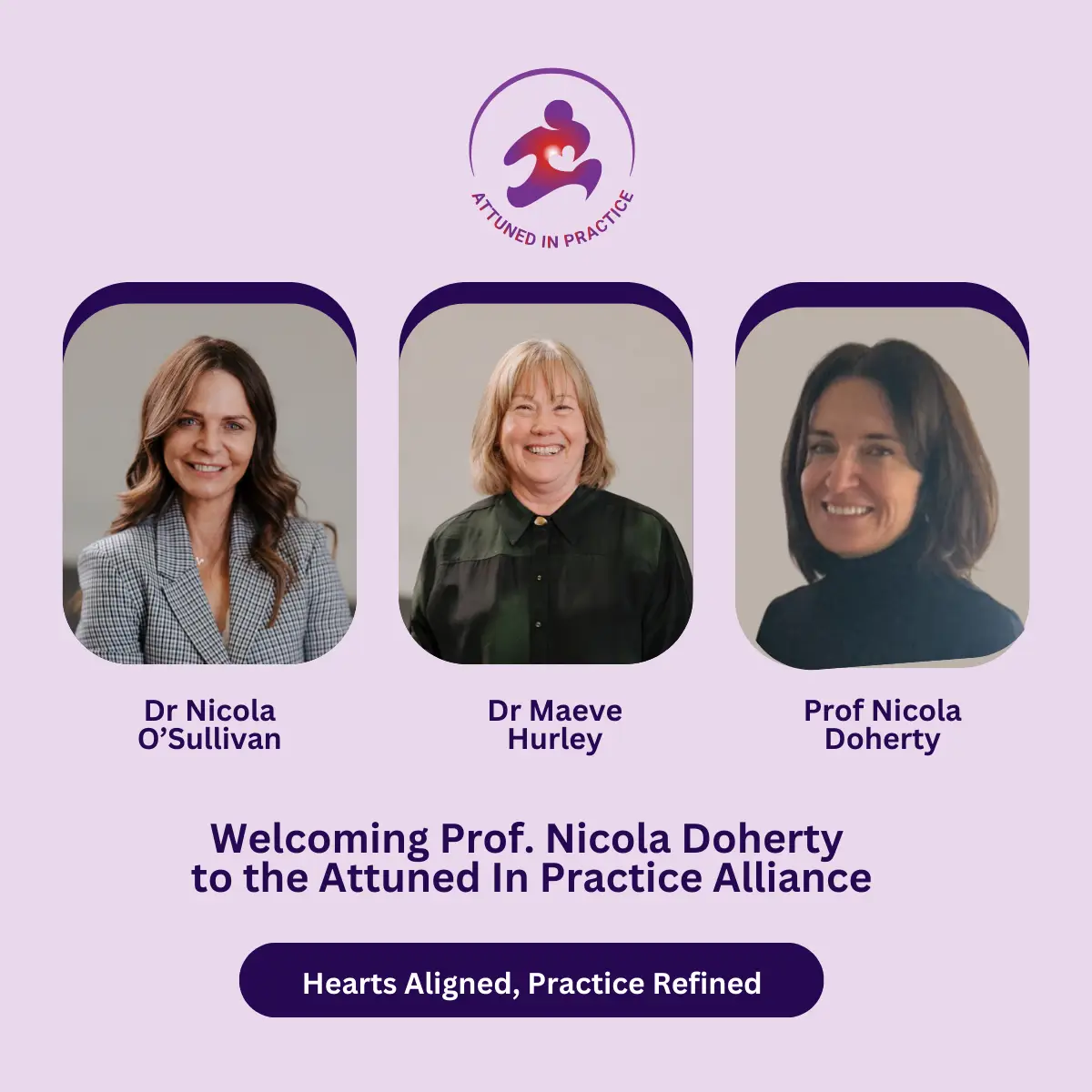
The feedback captures the sense of the day – a group of committed practitioners who engaged with Mary Coughlin and responded openly to her humanity and the way she showed up and spoke of the families and colleagues she has worked with. They were thoughtful and reflective and engaged with the materials and were honest and trusting in their feedback and sharing. It was a privilege for me to be there and many thanks to Mary O’Connor for this collaboration.